What's Included With The SDG Growth Engine
Four elements that turn sales into a managed business asset — not a monthly gamble.
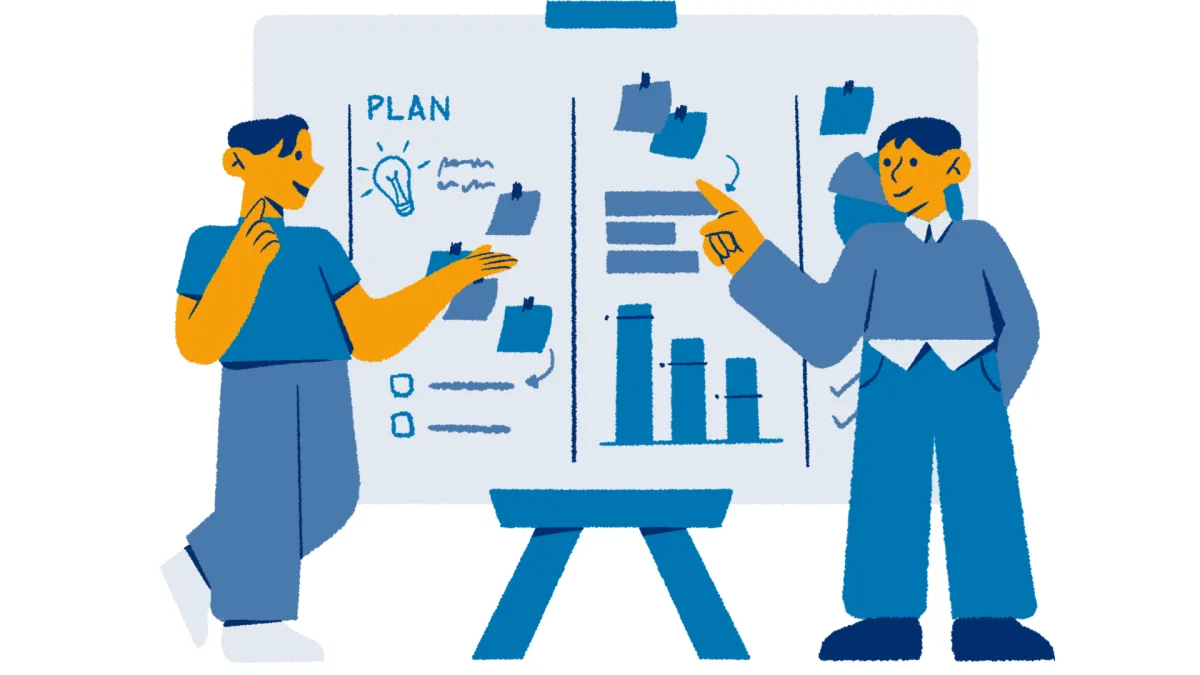
Strategy & Commercial Clarity
Everyone aligned to one direction, one set of numbers, one definition of success.
Most businesses don’t struggle with effort — they struggle with focus.
We start by creating commercial clarity around:
What you’re actually selling
Who the right buyers are
Where revenue is leaking
Which Profit Lever will create the fastest impact
Using real data — not opinions — we diagnose how sales is truly performing and where decisions need to change.
You leave with:
A clear revenue target and commercial direction
A prioritised focus across the Profit Levers
One agreed sales strategy the whole business can align behind
Systems, Data & Sales Engine Setup
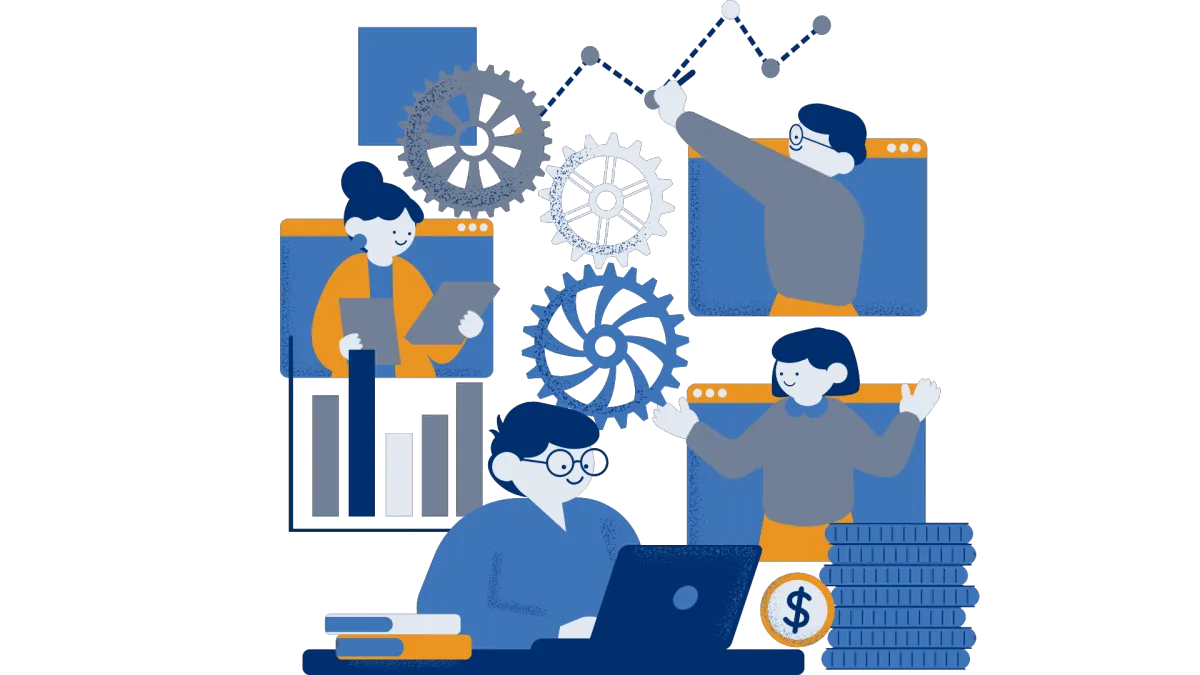
Your CRM becomes a control centre — not a reporting chore.
Most CRMs fail because they’re built around software logic, not real selling behaviour.
We design your sales engine to reflect how buyers actually move — and how decisions are really made inside your deals.
That includes:
Sales stages aligned to your buying process
Qualification rules that prevent weak deals progressing
Dashboards that show reality, not activity theatre
Automation that removes admin and guesswork
The result:
Clean, trustworthy pipeline data
Credible forecasts leadership can plan around
Less time updating systems, more time making decisions
Sales becomes visible, measurable, and manageable.
Trained Sales Support Team
Daily execution handled — without adding another full-time hire.
High-value sales leaders shouldn’t be buried in follow-ups, scheduling, or CRM hygiene.
Your trained Sales Support team handles the execution layer that keeps momentum alive, including:
Outreach and follow-up coordination
Meeting scheduling and pipeline progression
CRM accuracy and data hygiene
Reporting that keeps the numbers honest
They don’t replace your salespeople — and they don’t sell on your behalf.
They support the system, so qualified conversations reach the right people at the right time.
The outcome:
Senior leaders focus on strategy and key conversations
Sales activity doesn’t stall when priorities shift
Capacity scales without payroll risk

Ongoing Leadership, Rhythm & Accountability
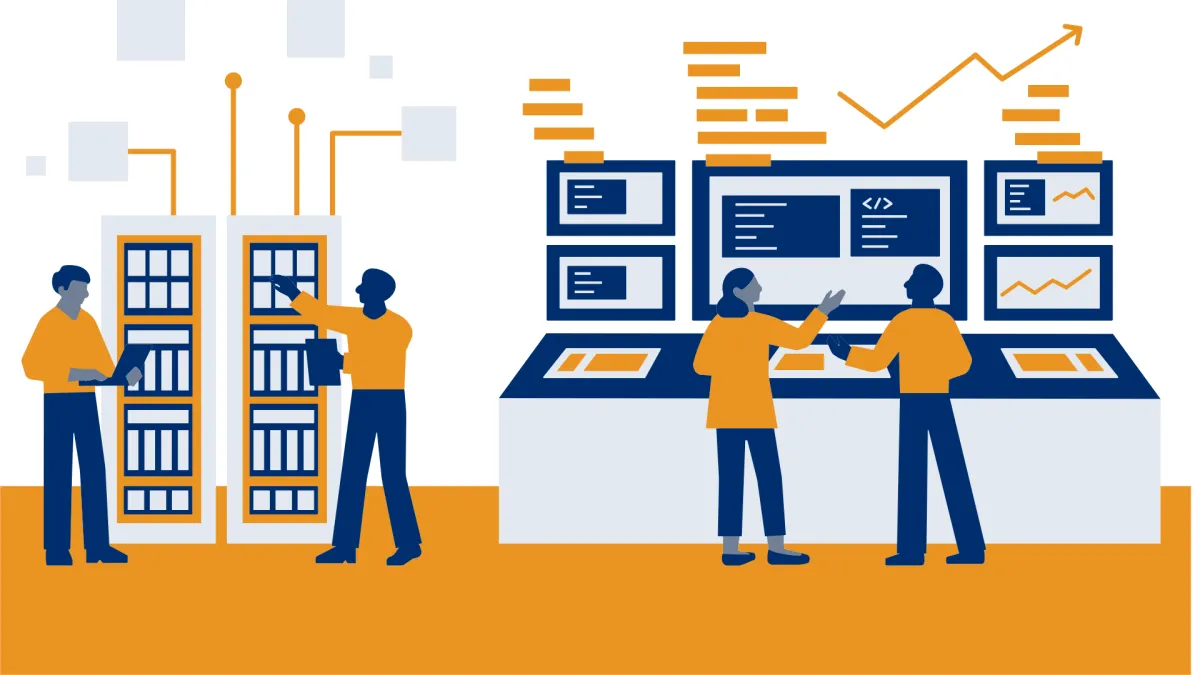
Sales doesn’t drift — because it’s reinforced every week.
The biggest reason sales systems fail isn’t design — it’s lack of reinforcement.
We provide ongoing commercial leadership to ensure the engine keeps running under pressure:
Weekly pipeline reviews grounded in facts
Clear ownership of deals and next steps
Early identification of risk and slippage
Calm, evidence-based decision making
This creates a predictable operating rhythm:
Daily focus
Weekly control
Monthly recalibration
Quarterly direction
Sales stops being reactive. It becomes a function the business runs with confidence.
Bring Structure Back To Sales
Six Ways The SDG Growth Engine Creates Control And Predictable Growth

Predictable Pipeline Flow
Sales stops arriving in bursts and starts moving every week.
Instead of relying on referrals, campaigns, or timing luck, pipeline is generated and progressed through a consistent operating rhythm.
Activity, targeting, and messaging are aligned to one plan — so opportunities move forward deliberately, not sporadically.
Reliable Forecasts & Cashflow
You know what’s coming — and can plan around it.
Pipeline stages mean something.
CRM data reflects reality.
Forecasts stop being guesswork.
With clear visibility, leaders can make confident decisions around hiring, investment, and delivery without second-guessing the numbers.
High-Quality, Better-Fit Deals
Fewer deals. Better outcomes.
Clear positioning, qualification standards, and process attract the right buyers and filter out weak opportunities early.
Sales conversations shift from price pressure to value and urgency — improving margins and deal velocity at the same time.
Founders Time Back
Sales no longer sits on your desk.
The execution layer — follow-up, scheduling, pipeline hygiene, reporting — is handled consistently inside the system
.
You spend less time chasing activity and more time on strategy, key relationships, and leadership decisions.
Accountable Commercial Team
Everyone knows what matters — and who owns what.
Marketing, sales, and delivery operate against one commercial plan and one set of numbers.
Weekly rhythm, clear roles, and visible metrics mean issues surface early and action is taken before deals stall or drift.
Scalable Sales Infrastructure
The engine carries the load — not individuals.
Processes, tools, and cadence are documented, measured, and continuously improved.
As the business grows, you add capacity without rebuilding the commercial function or re-inventing how sales works.
How To Get Started With SDG Partners
Step 1 – Strategy
We start with a structured, evidence-led review of your commercial engine using the
Four Profit Levers.
We analyse:
Pipeline reality
CRM usage and data quality
Revenue performance and conversion
Team input, effort, and focus
The objective is simple:
Identify where deals stall, where revenue leaks, and which lever will deliver the fastest, cleanest improvement.
You leave with:
Clear benchmark data
A one-page, prioritised roadmap
Absolute clarity on what to fix first — based on evidence, not opinion
This removes guesswork and prevents investing time and money in the wrong solution.
Step 2 - Development
We turn clarity into a working sales engine.
Using the outputs from the Profit Levers Workshop, we install the SDG Growth Engine inside your business.
That includes:
Aligning revenue targets, ICPs, and qualification standards
Structuring your CRM into a true commercial control centre
Installing clear sales stages, ownership, and next-step discipline
Activating your Sales Support (Co-Pilot) team for outreach, follow-up, and pipeline hygiene
Establishing a simple, enforceable weekly sales rhythm
Within 30 days, you have:
A clean, structured system
Visible, credible forecasts
Real activity moving deals forward every week
Sales that is managed — not reactive
Step 3 - Growth
We operate and reinforce the engine. You focus on the business.
Once installed, the SDG Growth Engine is actively run and reinforced, not handed over and forgotten.
Your Fractional Commercial Lead:
Owns the revenue rhythm
Maintains CRM discipline and reporting accuracy
Refines messaging, playbooks, and prioritisation
Ensures the Sales Support team executes consistently
Through weekly and monthly reviews:
Risk surfaces early
Forecasts stabilise
Growth compounds instead of spiking and slumping
Sales becomes a durable business asset — not a recurring fire drill
Everything Starts With Your Profit Levers Workshop
If you want predictable pipeline, reliable forecasts, and a sales engine that runs without constant intervention, the first step is a Profit Levers Workshop.
In a focused working session, we benchmark your Four Profit Levers, assess how your sales function is actually operating, and map a clear 30-day commercial roadmap..
© Copyright 2026 SDG Partners. All rights reserved